Add a merchant
How To Add A Merchant?
A "Merchant" is any business or seller operating on your platform.
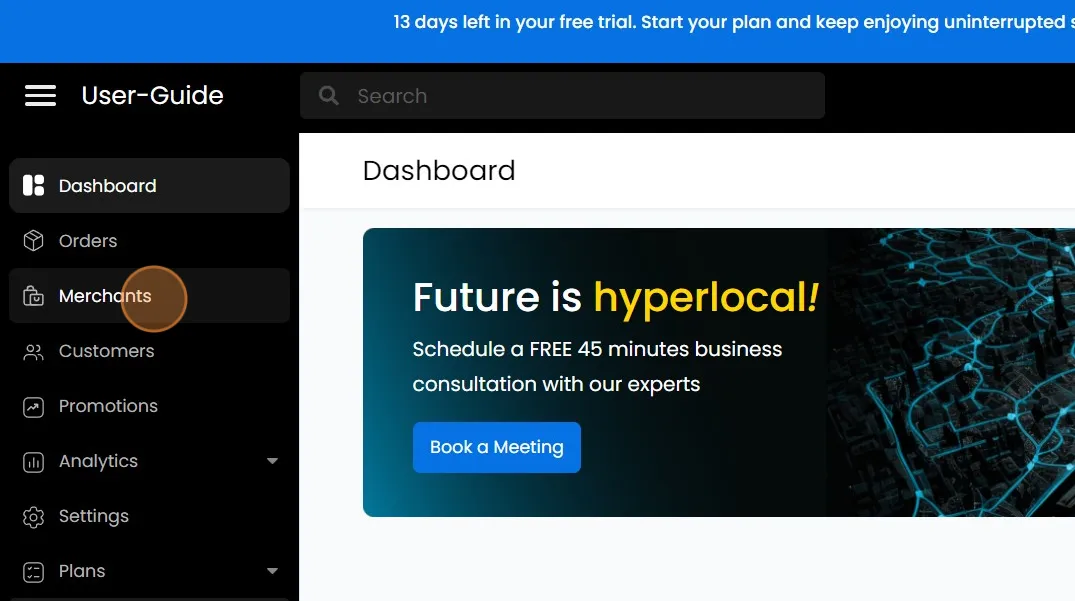
- On the Admin panel, click on "Merchants."
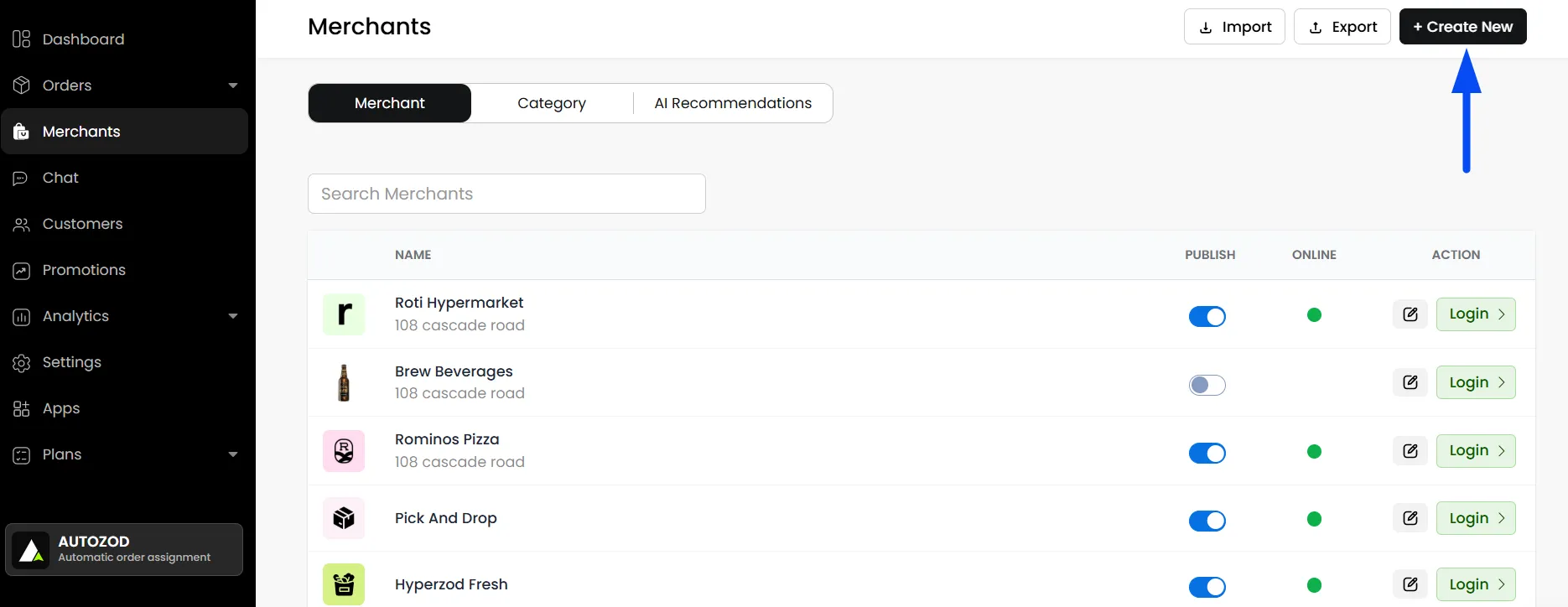
- Then click "Create New."
Merchant Type: E-commerce vs. Pick and Drop
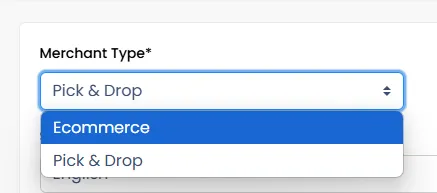
This option lets you choose between setting up an online store to sell products (E-commerce) or offering a delivery service where customers can send items from one place to another (Pick & Drop).
E-commerce Store
This option is for merchants who sell their own products online (like a grocery store or a clothing shop). Think of it like a digital version of a physical store.
Pick and Drop
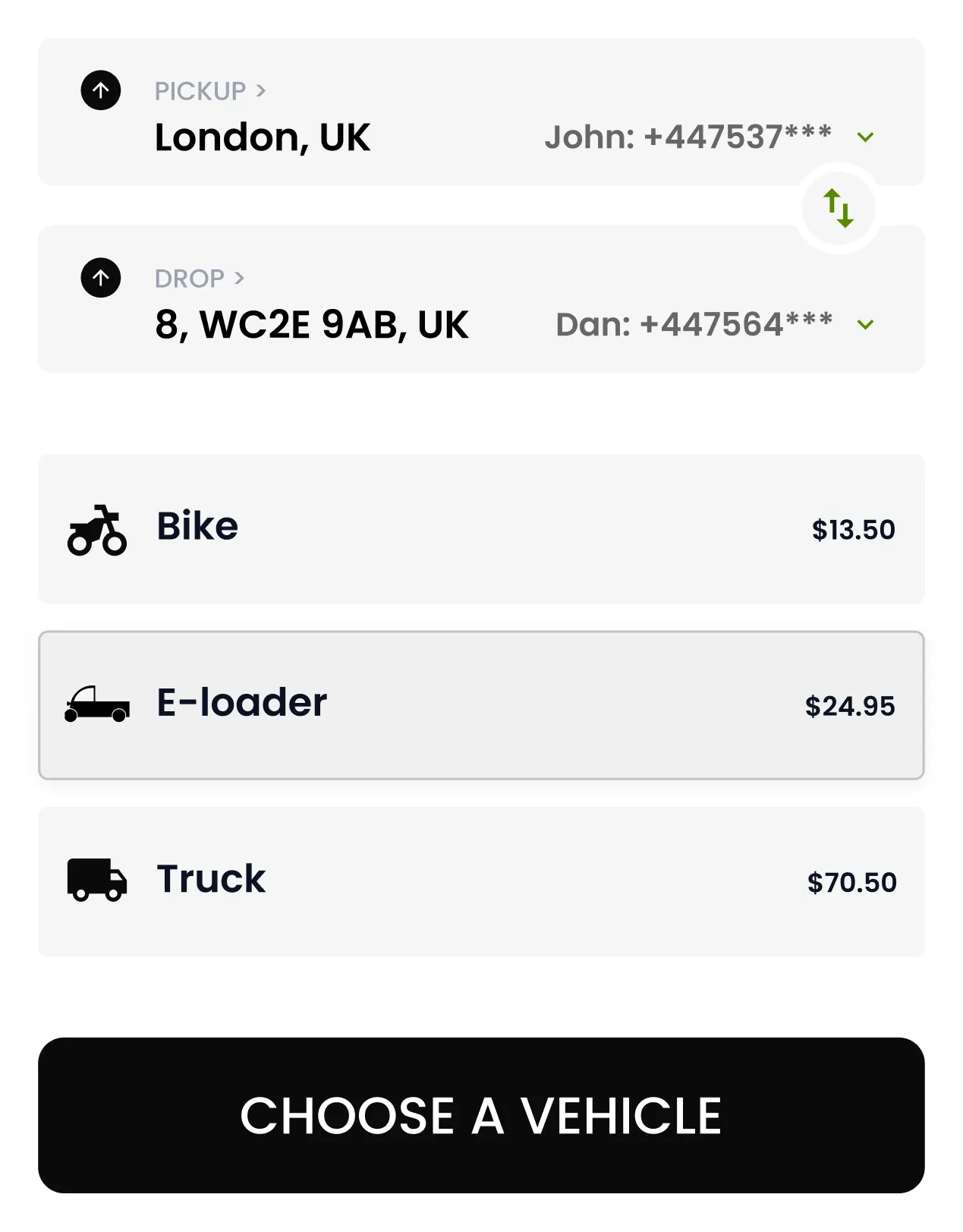
Choose this option if you are creating a delivery merchant that allows customers to book a package delivery from one location to another. For instance, a courier service where a customer can send a parcel from their office to a friend’s house would use this type.
Add Info in Preferred Languages
Tailor your store information to customer choices. Use language settings to add or remove options or choose the default language of your store. This feature allows you to input and present store details in the customer's chosen language. For example, if a customer selects Spanish, all added information will be displayed in Spanish for them.
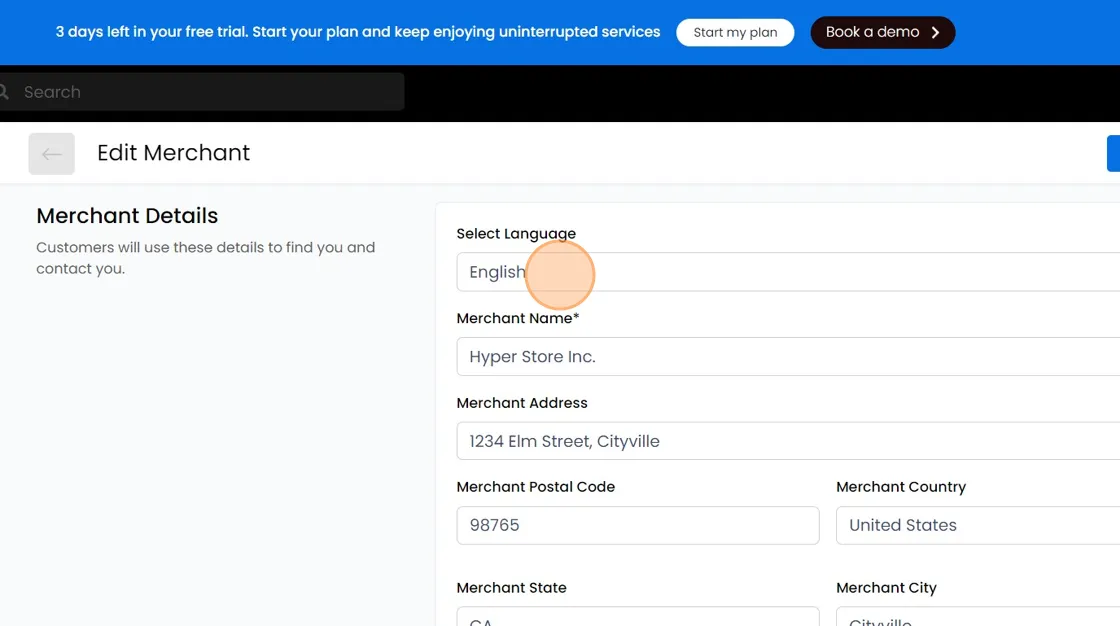
Complete the 'Merchant Name & Other Basic Details' section. Note that fields marked with a '*' are mandatory, such as the "Merchant Name". If your store offers 'pickup' as an option, ensure to provide the "Merchant Address", which will be displayed during customer checkout.
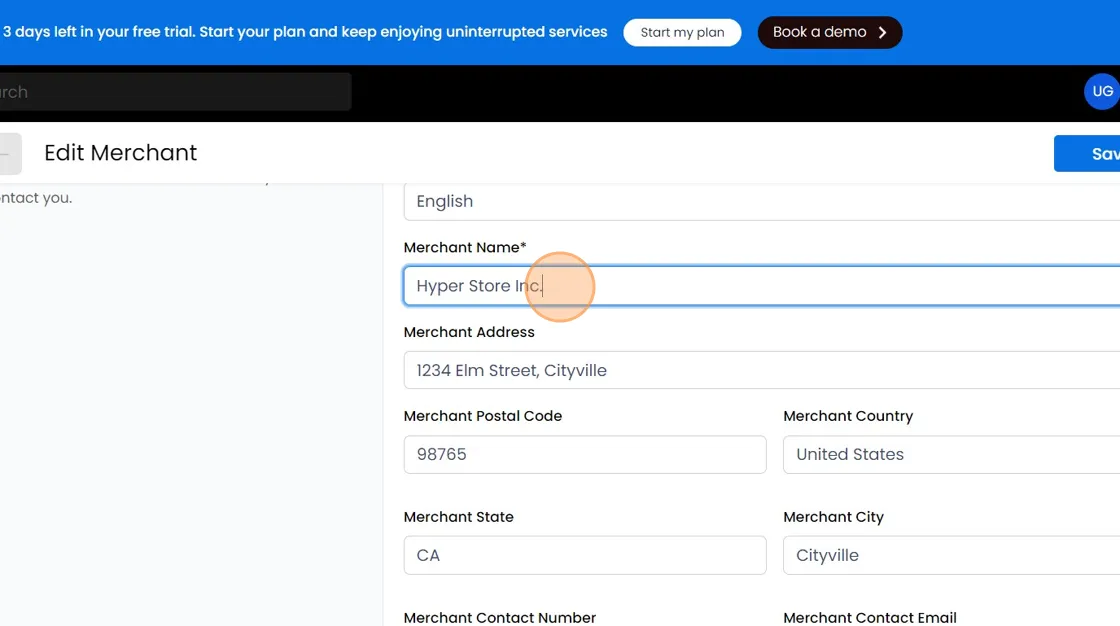
Call Merchant Option
Choose whether to show the 'Call Merchant' option on the customer order tracking screen. If you enable this feature, make sure to fill in the 'Merchant Contact Number' field above.
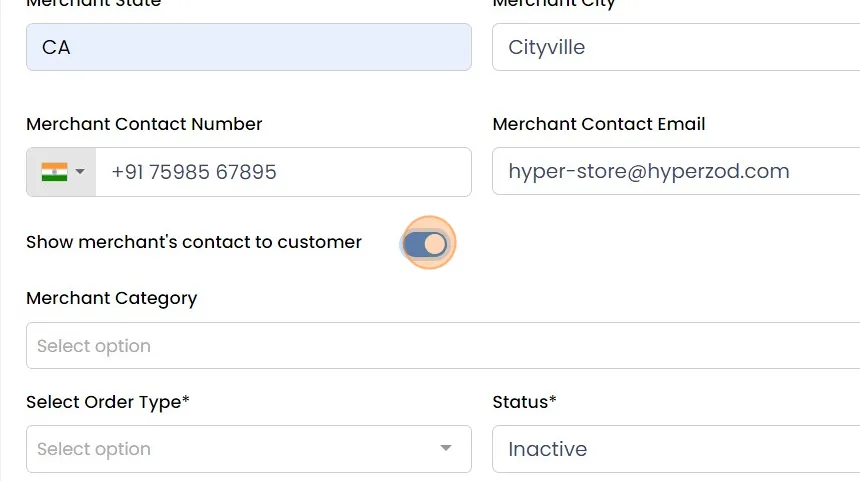
Merchant Category: Select the business category that best describes the merchant (e.g., Groceries, Fashion, Electronics). You can edit or add more categories later in the Business Category settings.

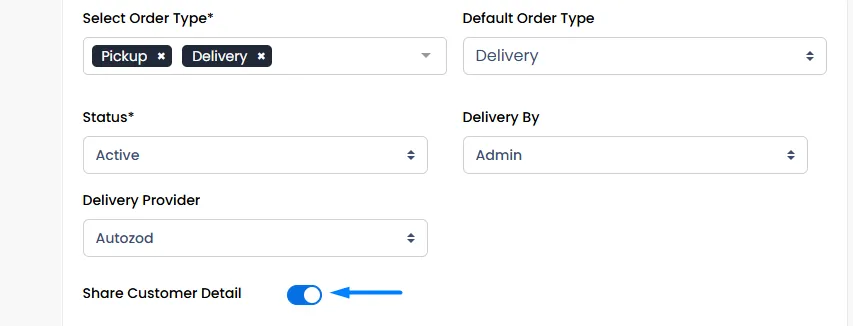
Select Order Type: Delivery, Pickup, and More
Designate the 'Order Type' your store offers, such as 'Delivery,' 'Pickup,' or any additional custom checkout options added under 'Order Settings,' such as Table Ordering, etc.
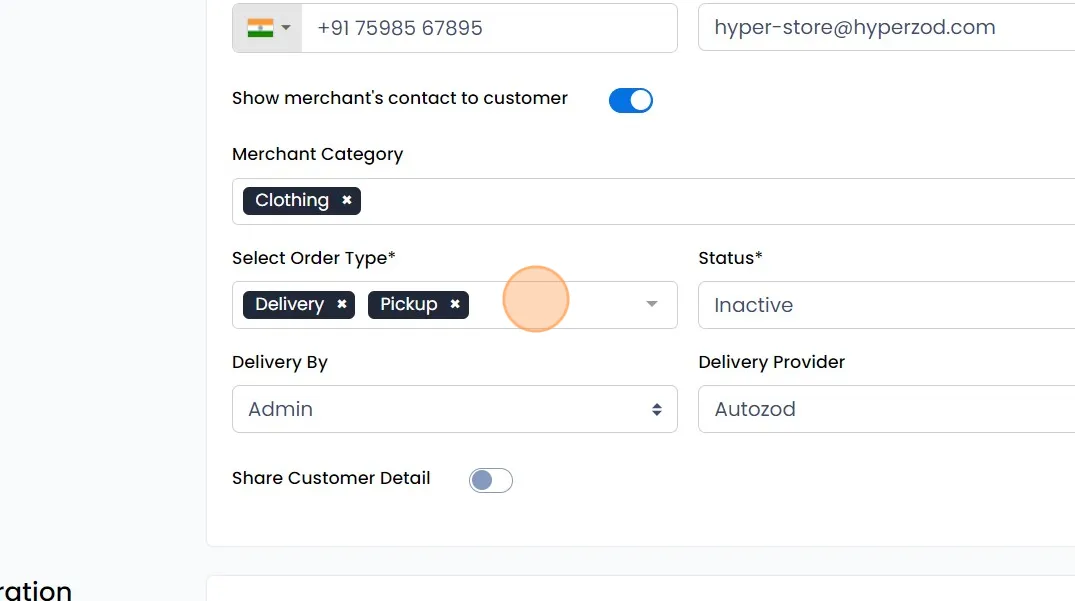
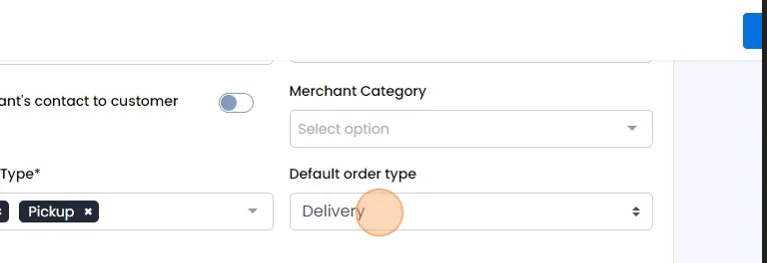
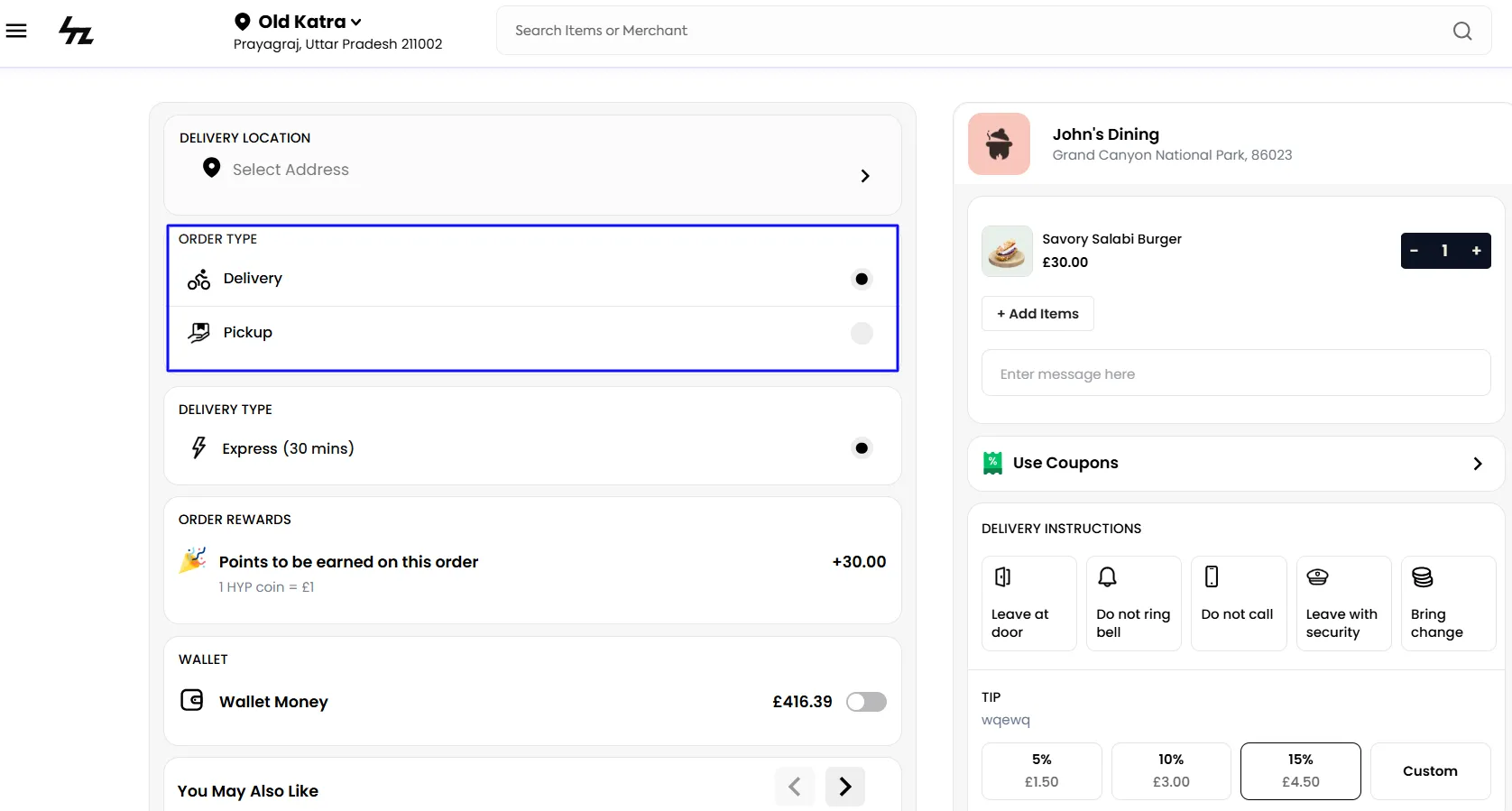
Default Order Type
Set the default order type (e.g., delivery or pickup) that appears during customer checkout. Customers can easily switch to a different option if needed.
Delivery Options: Admin vs. Merchant
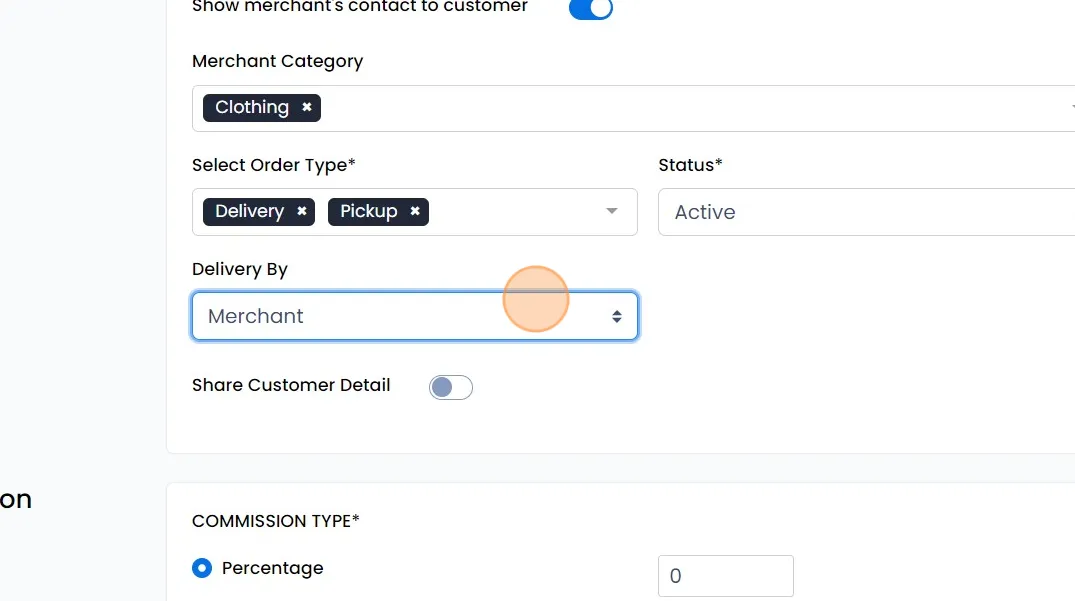
Select 'Admin Side' or 'Merchant Side' to designate the party responsible for managing deliveries. In the case of merchant-managed delivery, customers will see that the delivery is handled by the store, and the store can conveniently mark orders as 'Pickup' and 'Delivered' through their store panel or apps.
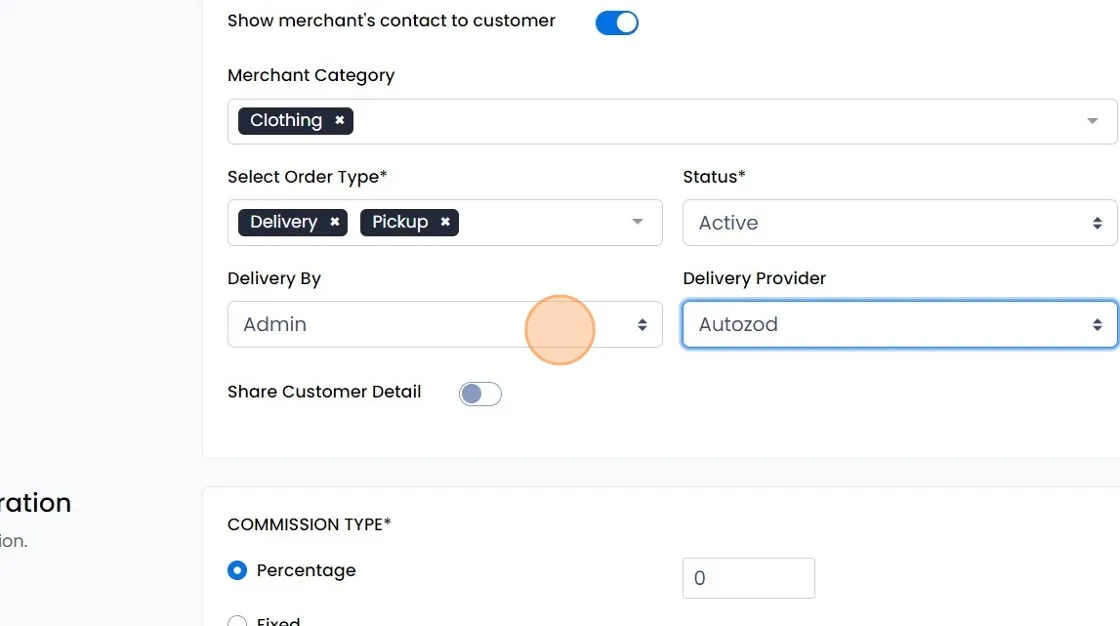
In the case of 'Delivery by Admin,' select the delivery provider for the store, either through Autozod (utilizing your in-house rider's driver apps) or any third-party delivery service added under 'Delivery Integrations Setting'.
Sharing Customer Details with Merchant
Select whether to include customer information (name and number) on the order provided to the merchant.
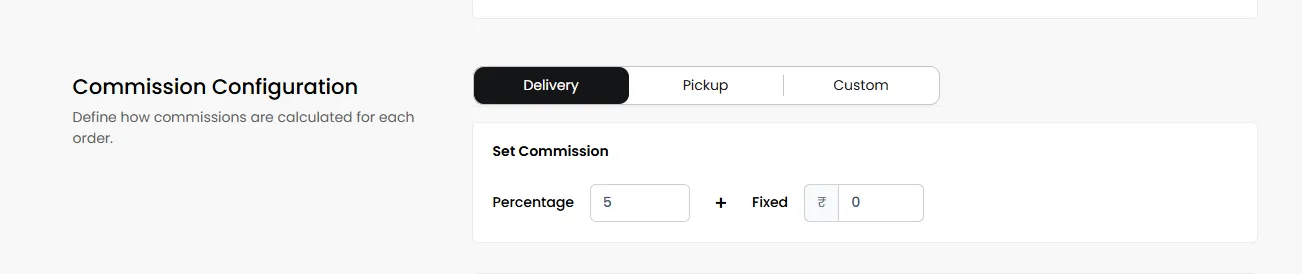
Set Commission for Merchant per Order
First, you'll see options to set the commission for like Delivery, Pickup, and Custom.
This means you can set a different commission rate for each type of order. For example, you might want to charge a higher commission for delivery orders (since they can involve more logistics) and a lower one for simple pickup orders. Specify the status under which the commission should be calculated and appear under 'Reports.'
Scenario 1: You only want to charge a 15% commission and a fixed amount of $2 on all delivery orders.
- Click the Delivery tab.
- Enter 15 in the Percentage box.
- Enter 2 in the Fixed box.
- Click Save
Simply repeat this process for each order type (Delivery, Pickup, and Custom Order Type) that the merchant offers.
Note: The Merchant Commission is calculated based on the order subtotal before any discounts or delivery fees are applied.
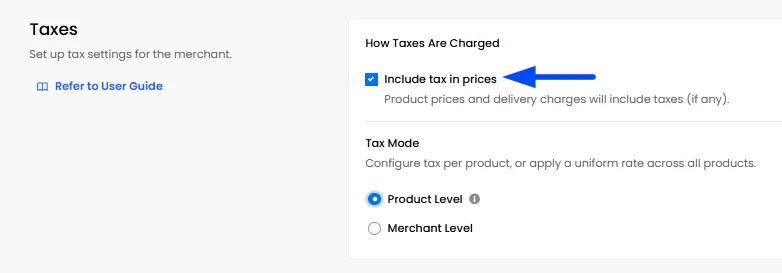
Tax Application: Inclusive or Separate Display
Select how taxes are applied to the customer, deciding whether product prices and charges should include taxes or be displayed separately in the customer's cart.
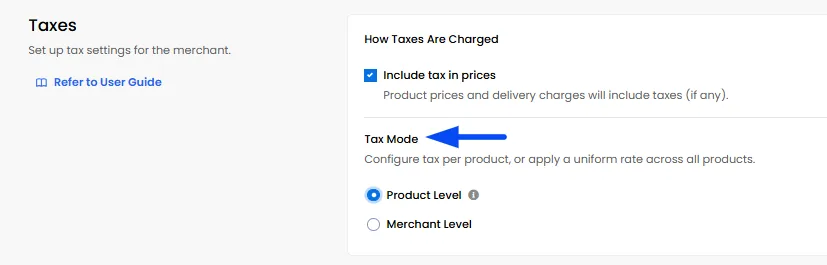
Product Tax Configuration
In addition to configuring how taxes are displayed to customers, you can also define how product taxes are applied for each merchant.
When editing a merchant, you can choose between the following Product Tax modes:
Merchant Level: Select Merchant Level if you want the same tax percentage to be applied to all products within that merchant. Simply enter the required tax percentage, and it will automatically be applied across the merchant's entire product catalog.
Example: If you enter 10%, every product belonging to that merchant will be charged a 10% product tax.
Product Level: Select Product Level if different products require different tax rates. With this option enabled, you'll need to edit each product individually and specify its applicable tax percentage.
Note: If you also want to configure Delivery Tax for a merchant, you can refer to the Delivery settings guide and configure the tax accordingly
Promotional Text for Discovery and Menu Page
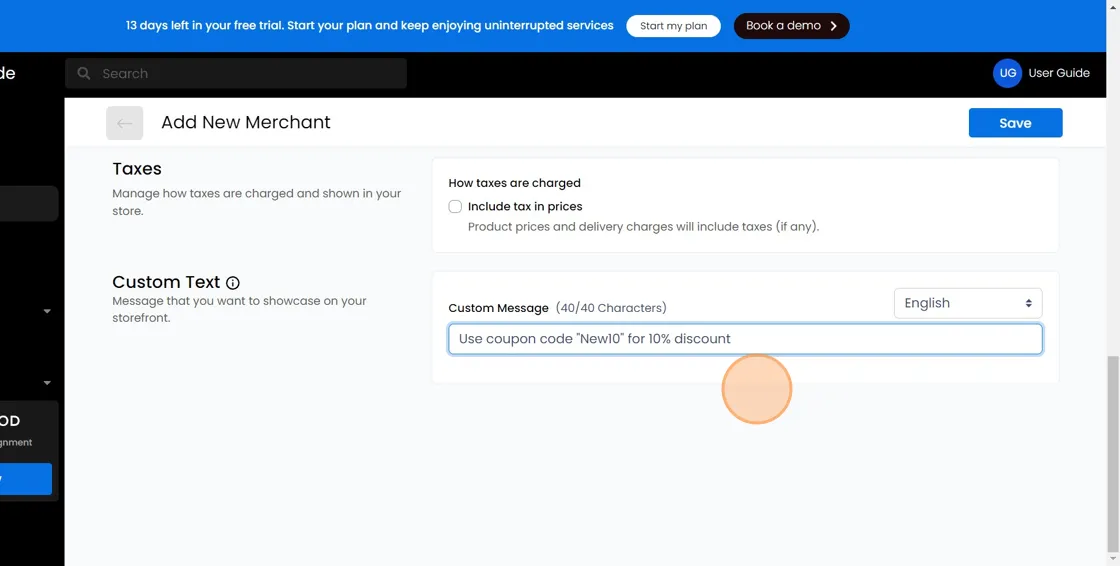
Enter any custom text to be displayed on the 'Discovery Page' and the 'Merchant's menu page'. For example: 'Use coupon code "New10" to avail a 10% discount.'
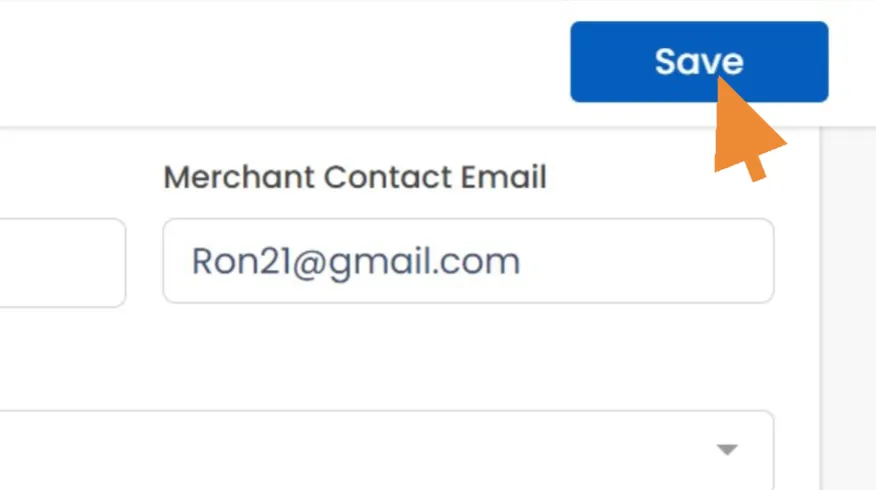
Lastly, click "Save" and the merchant is successfully added.
Enhancing Your Store: Advanced Features
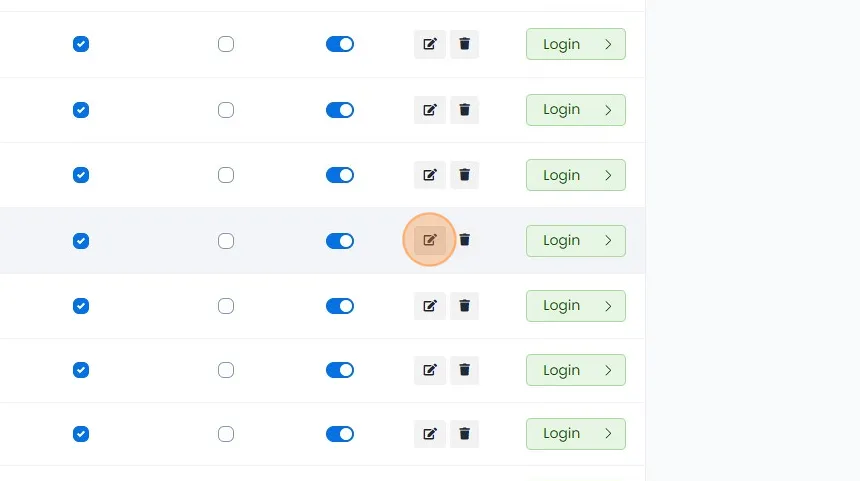
Now, additional features and options will appear when editing the created store.
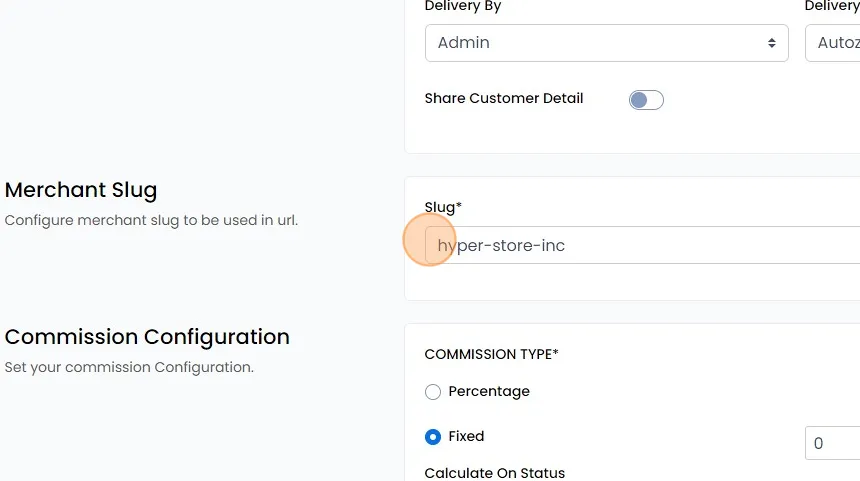
- Merchant Slug: This is a simple, URL-friendly "nickname" for the merchant. Enter the slug for the merchant menu page URL.
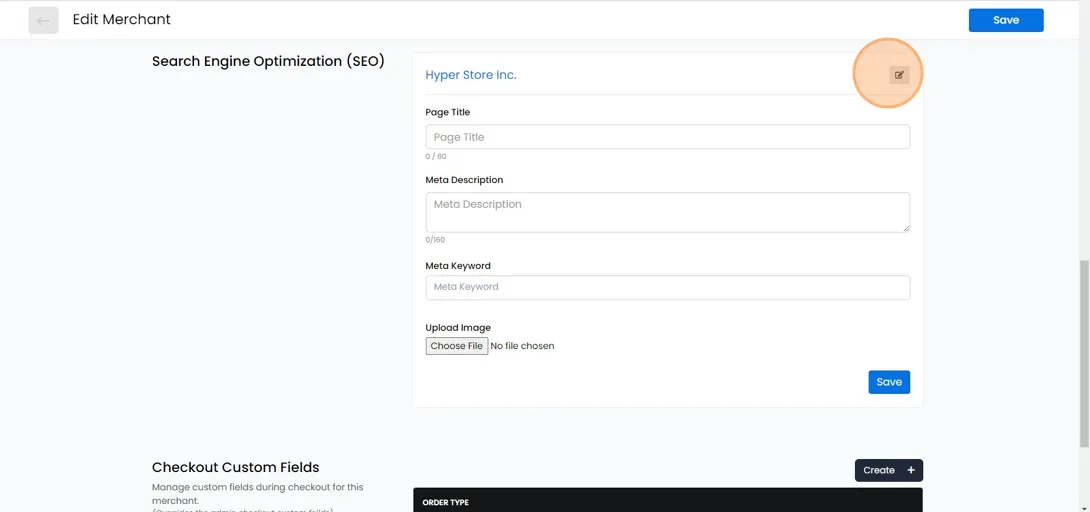
- SEO Setting: Enhance your store's search engine optimization by configuring these technical parameters.
- Checkout Custom Fields: Customize your store's checkout process. For example, for a liquor store, you can add fields like ID upload for age verification. (For universal fields appearing in all store checkouts, add them under Order Settings)
- Payment Settings: Admin vs. Merchant: Override the order payment options for this store. This will override the globally configured payment settings of the Admin (Payment Methods) and allow you to select different payment options and accounts for this store. You can also connect the merchant account if you want them to directly collect their payments. Additionally, you can enable or disable manual payment options such as Cash on Delivery and bank transfer for this store.
Merchant Slug
Enter the slug for the merchant menu page URL
Note: Adding a merchant slug to URLs improves SEO by providing search engines with keyword-rich and user-friendly identifiers, enhancing visibility and ranking.
Merchant SEO Setting
Enhance your store's search engine optimization by configuring these technical parameters.
Page Title: This is the main, blue, clickable headline that appears in a Google search result. It's the very first thing a potential customer will read. It must grab their attention and clearly state what the page is about.
Meta Description: This is the small paragraph of text that appears underneath the Page Title in a Google search result. This is your 2-3 sentence "advertisement" to convince someone to click on your link instead of someone else's.
Meta Keyword: A list of keywords related to the merchant's business, separated by commas.
Upload Open Graph Image: This is the preview image that appears when someone shares a link to this merchant's page on social media (like Facebook, WhatsApp, Twitter, etc.). A good image makes a shared link look professional and inviting, which encourages more people to click on it.
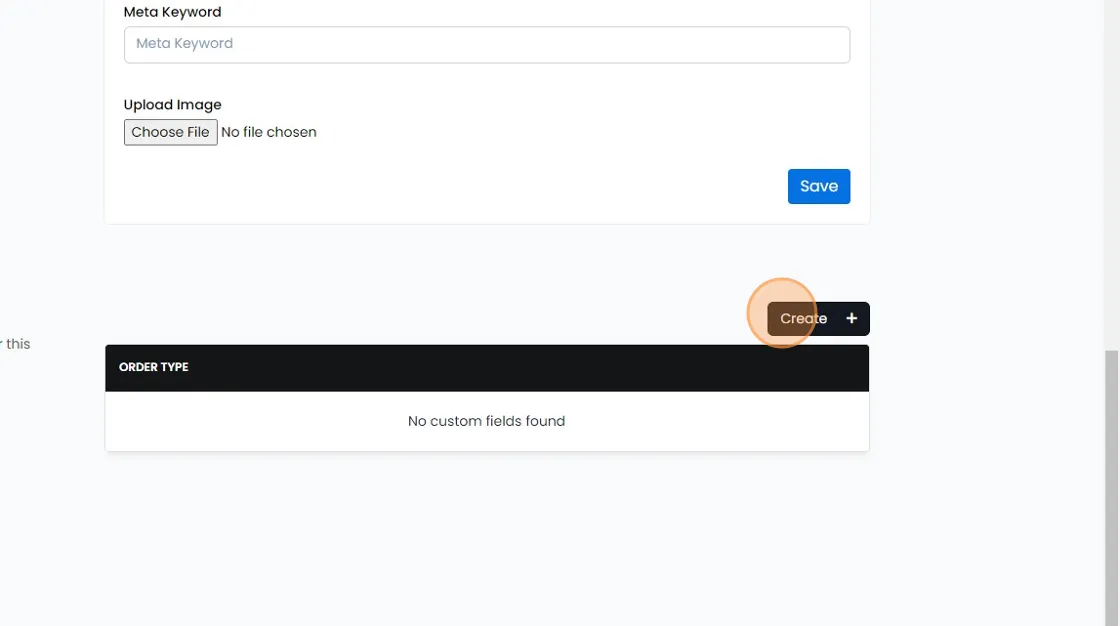
Checkout Custom Fields
Customize your store's checkout process. For example, for a liquor store, you can add fields like ID upload for age verification. (For universal fields appearing in all store checkouts, add them under Order Settings)
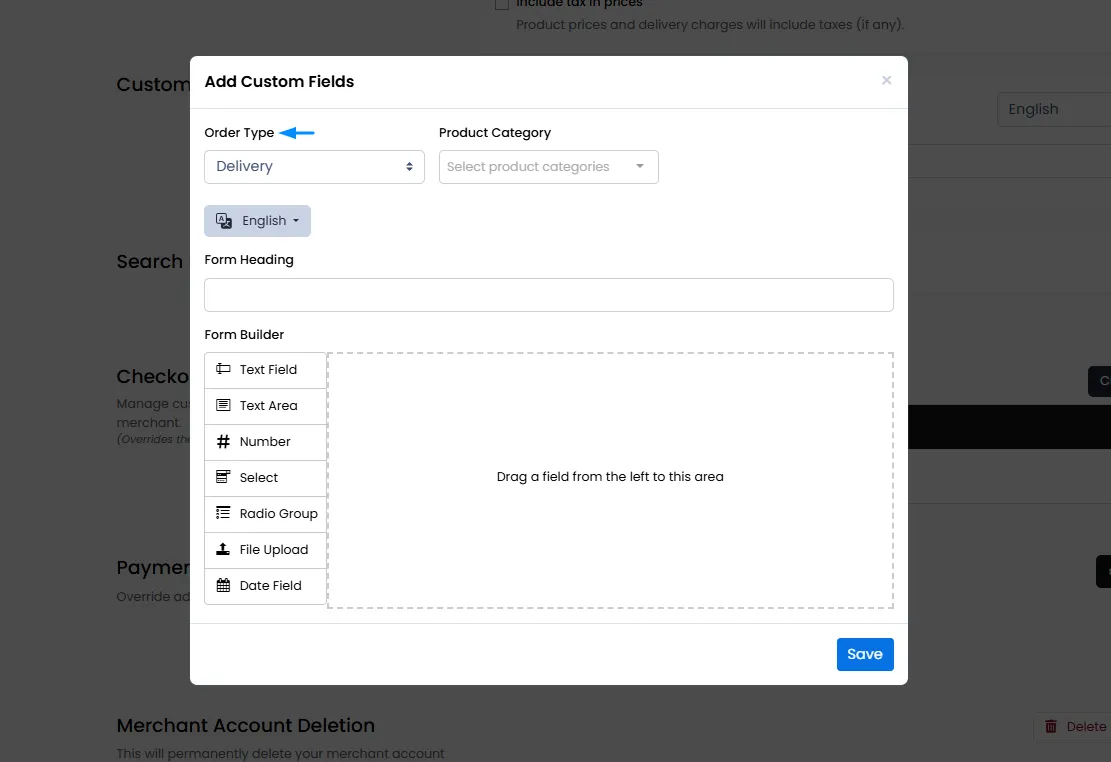
Order Type: Select the Order type in which these extra fields should appear
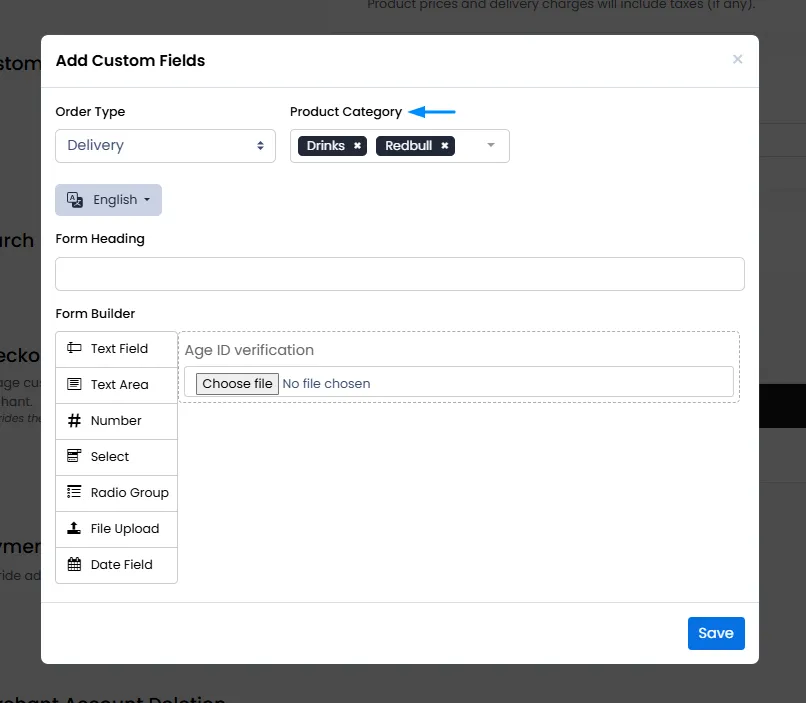
Product Category: You don't always want to show a custom form to every customer. This is where conditions become incredibly powerful. You can make the form appear only when a customer buys a product from a specific category.
Example: Age Verification at a 24/7 Convenience Store
Imagine your 24/7 convenience store sells everything from snacks to tobacco and liquor. You only need to verify a customer's age for certain items.
- Create a "File Upload" form titled "ID Verification Required."
- In the Product Category dropdown, select both your "Tobacco" and "Alcoholic Drinks" categories.
- Result: The ID upload form will remain hidden for customers buying only chips and soda. It will automatically appear at checkout only if a customer adds a product from either the tobacco or alcohol categories to their cart.
- Select Preferred Languages" to tailor this information to customer choices.
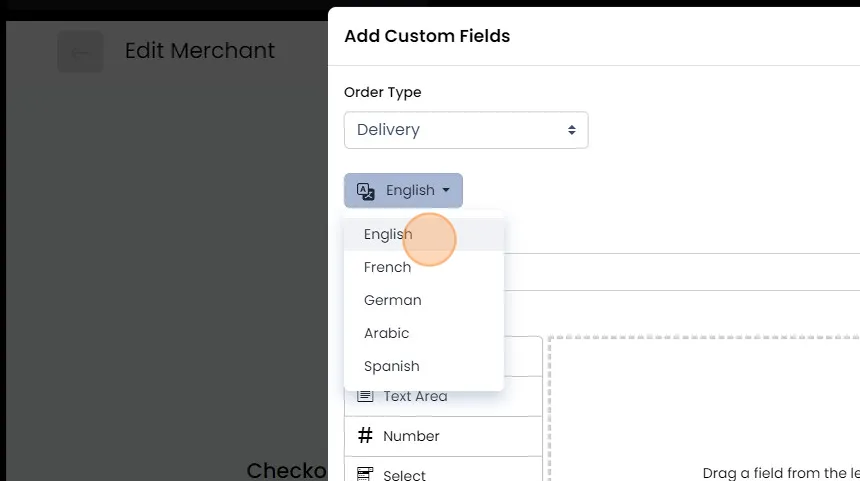
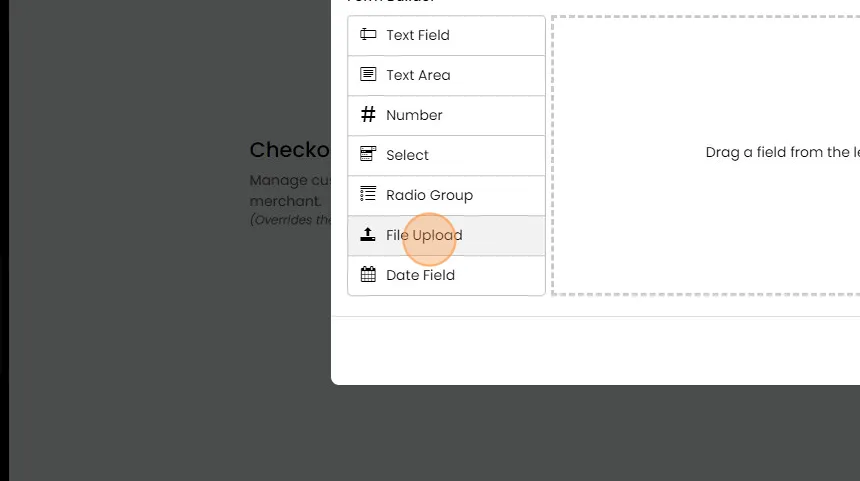
- Drag and drop the type of field
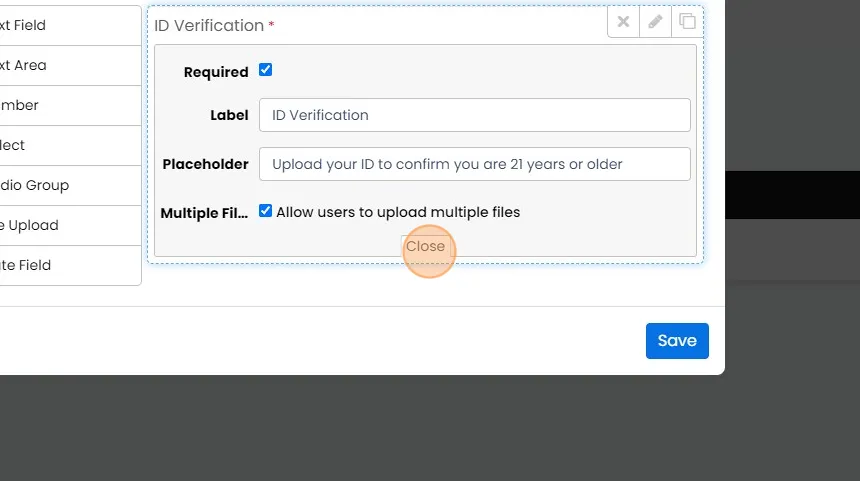
Enter basic info such as:
- Required: Whether it should be mandatory for customers to fill in during checkout
- Label: Heading of the field
- Placeholder: Any note added under the heading
You can add more fields and click Save. Now save the store again to update these edits.
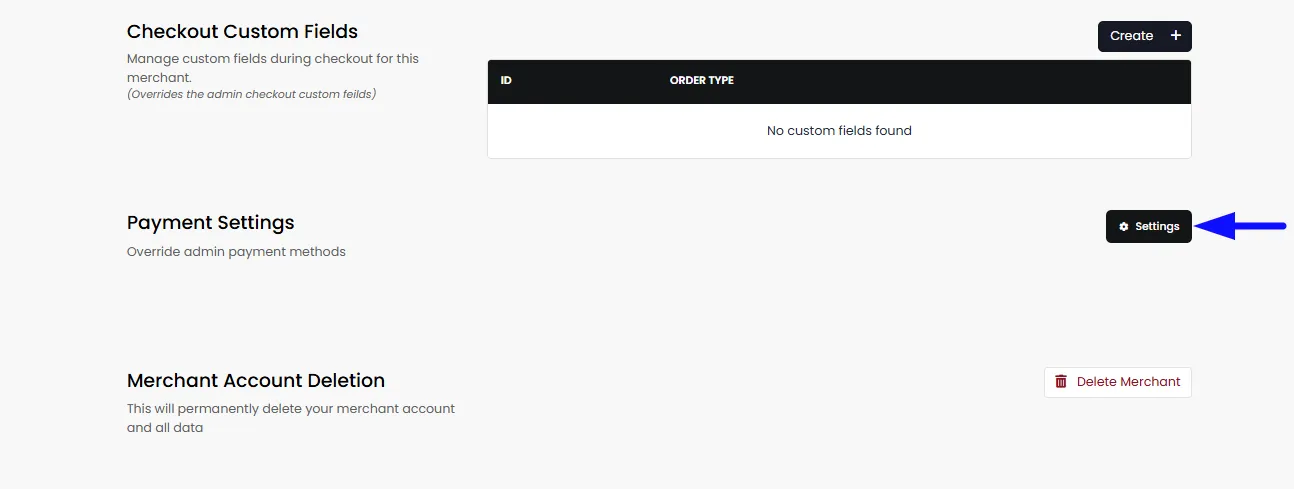
Payment Settings: Admin vs. Merchant
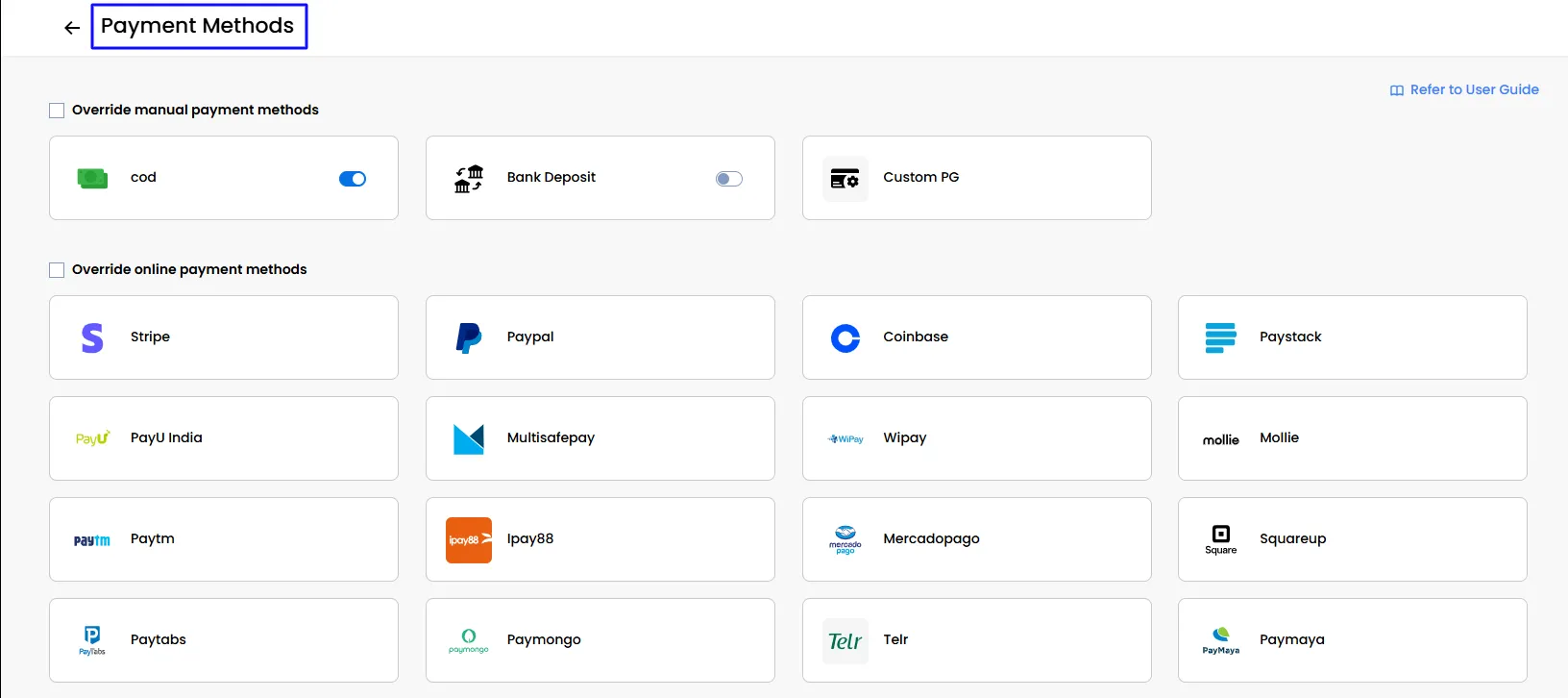
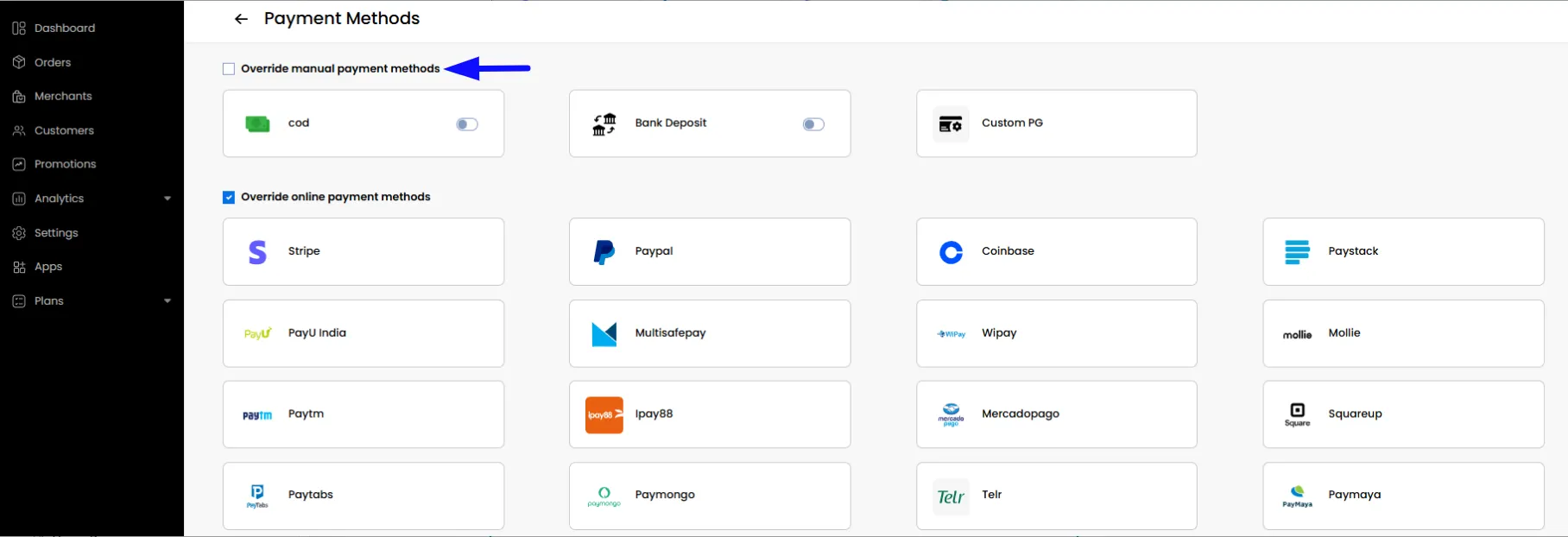
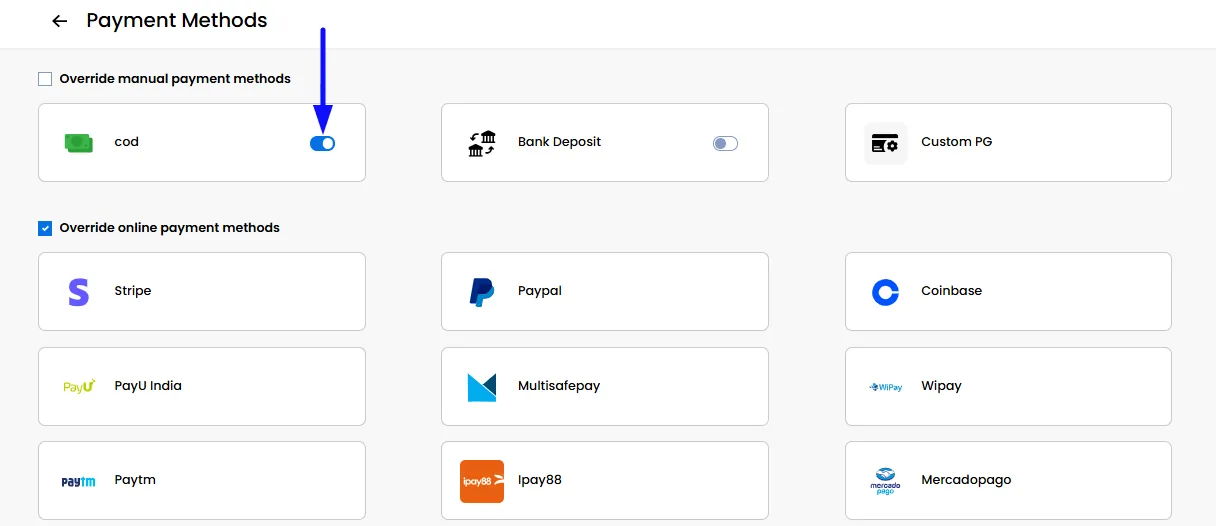
Override the order payment options for this store. This will override the globally configured payment settings of the Admin (Payment Methods) and allow you to select different payment options and accounts for that merchant specifically. You can also connect the merchant account if you want them to collect their payments directly. Additionally, you can enable or disable manual payment options such as Cash on Delivery and bank transfer for this store.
- Select the payment gateways and activate them to configure.
- Enable the override toggle for the manual payment methods to appear.
- Activate or disable the provided options. The payment options at the checkout will be customized accordingly for this store.
How to Delete a Merchant
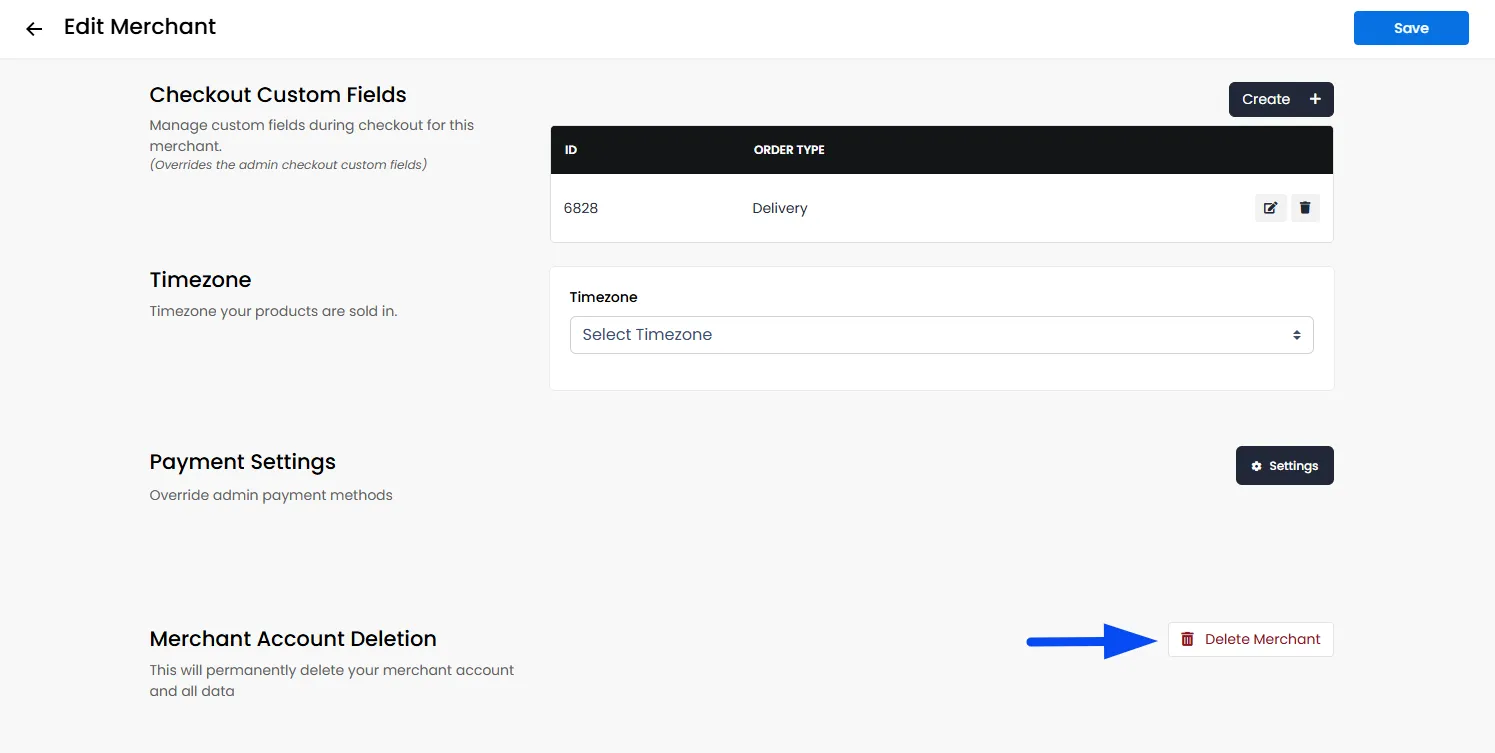
To delete a merchant, open the merchant’s details by clicking Edit. Scroll to the bottom of the page, where you will find the Delete option.
Note: Deleting a merchant is permanent and cannot be undone.
Quick Actions From Merchant List
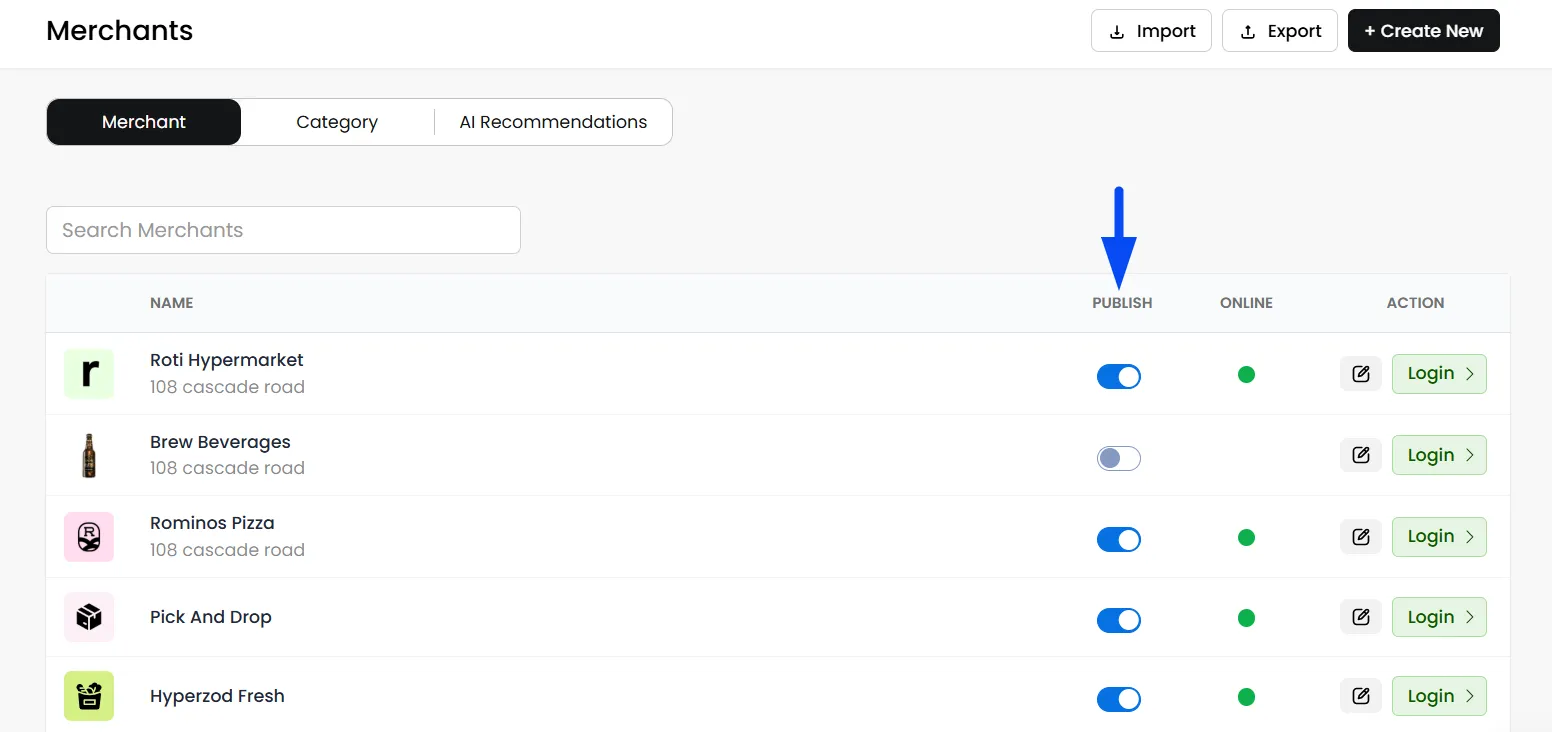
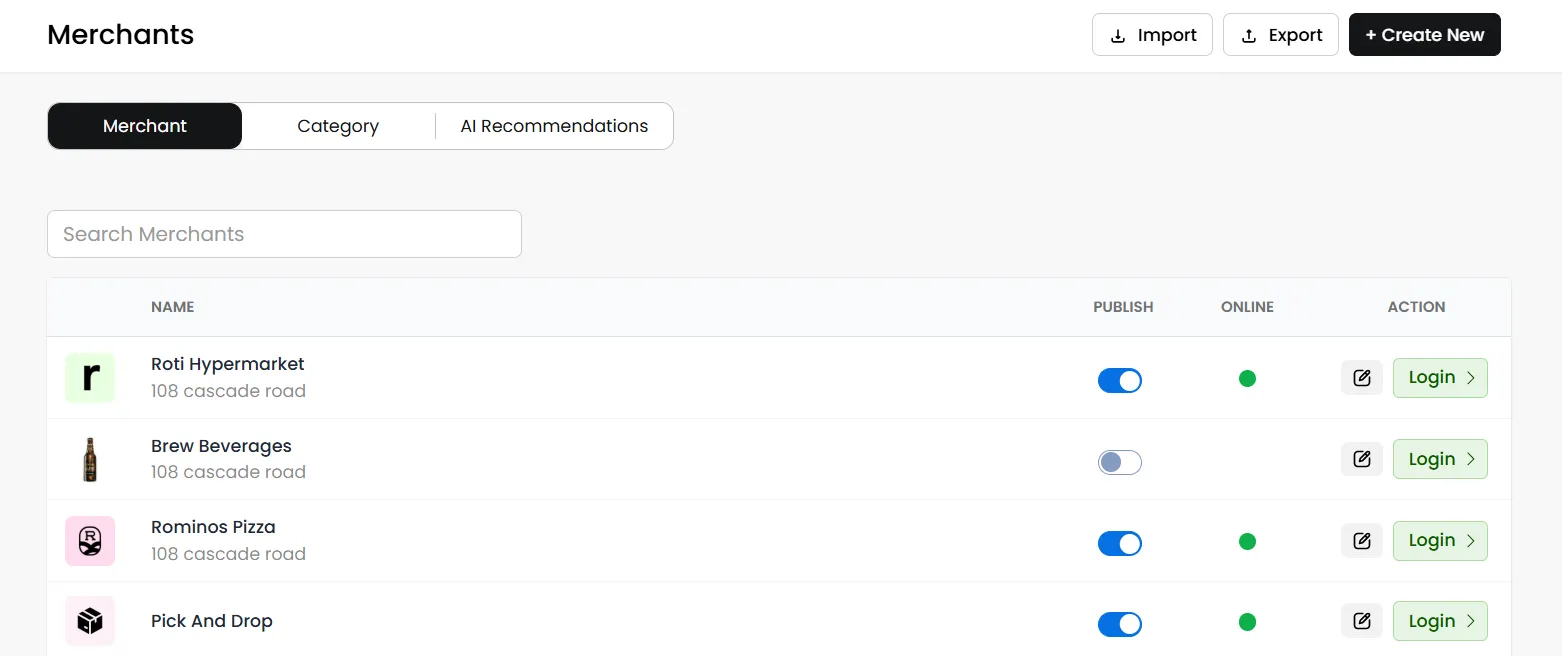
The table on this page provides key at-a-glance information about each merchant:
Status
This is the master switch for the merchant's account. Turn it ON to make them live on the platform, or OFF to deactivate and completely hide their store from customers.
Active Merchants (Online)
This is an automatic, live indicator of the store's current status based on its set business hours.
Accessing Merchant Panel
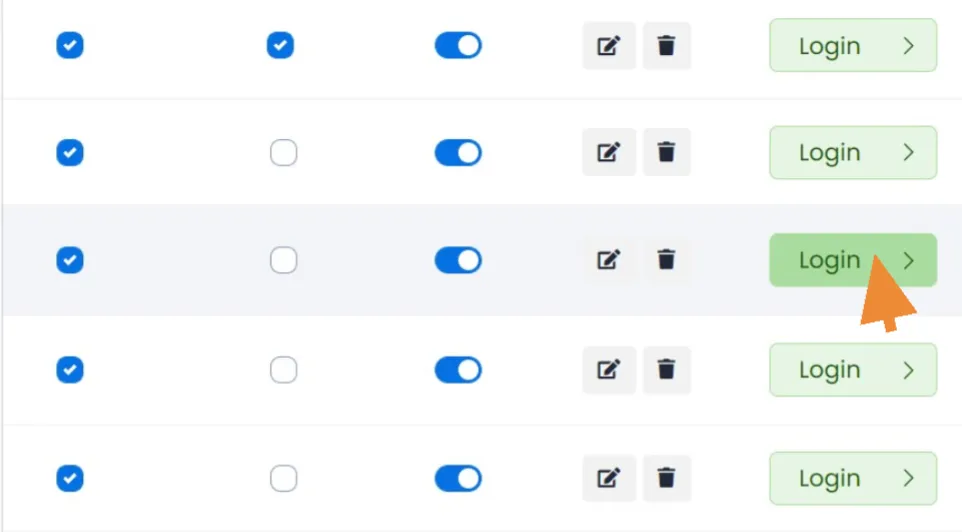
Now, click the "Login" button to automatically access the merchant panel, where the merchant adds products and configures all store-related settings.
Frequently Asked Questions (FAQs)